


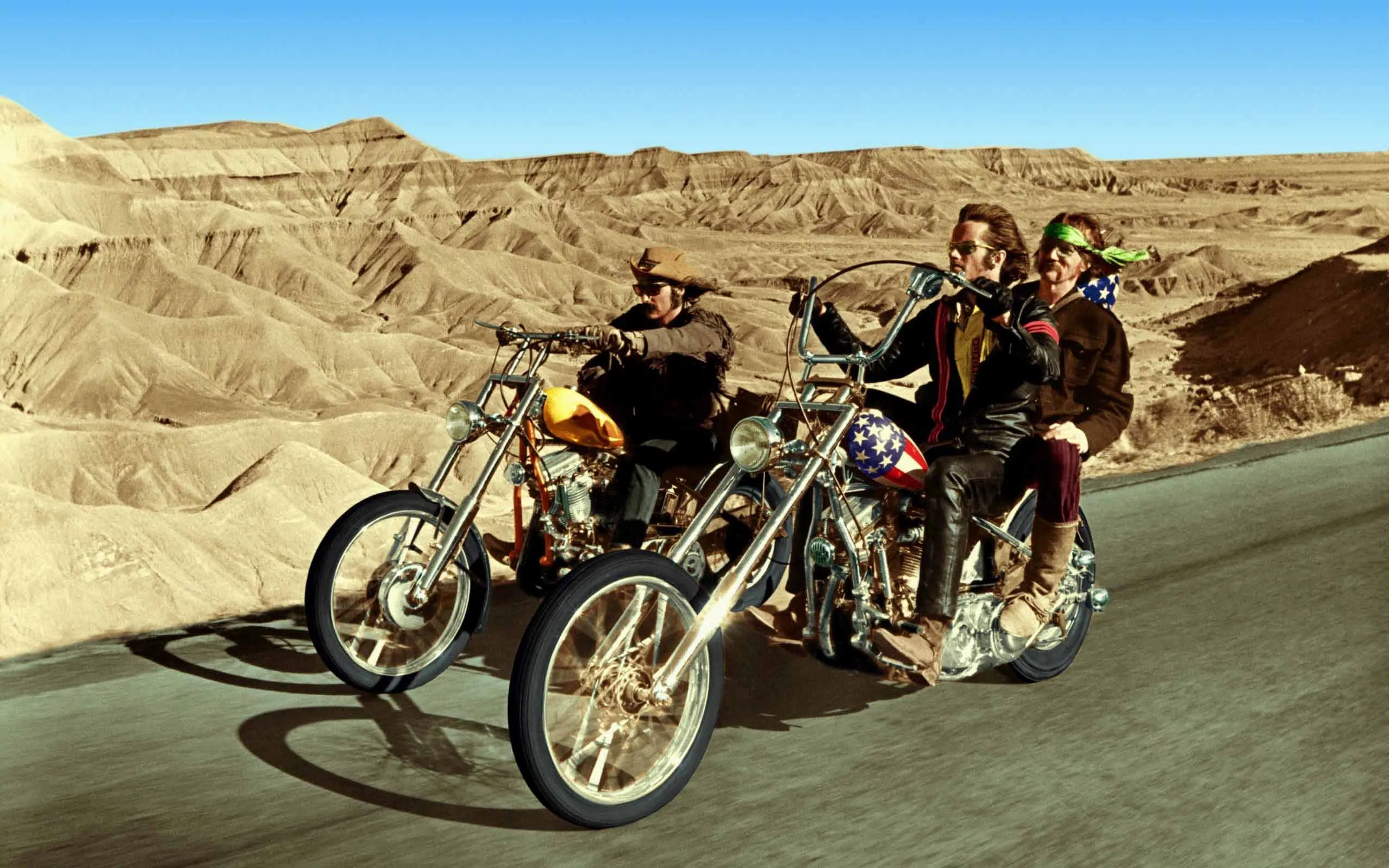
Cult films cannot be defined by type or characteristics but are distinguished by the intensity of the audience’s love for them. They have this peculiarity of going against the norms of common society, and this is the reason why they are supported by a niche audience even after the films have been out of theatres for some time. However, cult films are unique in the sense that they are able to attract a cult-like audience that keeps the film going through constant rewatches, conventions, and memes.
Preview
The Evolution of the Cult Film
The term ‘cult film’ appeared in the early 1970s, its existence being tied to the midnight movies and the underground films. These films were not usually popular among the masses or received much appreciation in society in general. Most cult films are initially criticised or achieve little box office success, unlike most mainstream films. But they rise to fame with time due to word of mouth and the undiluted fan base they follow.
A cult film can therefore not be definitively defined by a set of features, but rather, a film becomes a cult film when a certain audience appreciates it for that which the rest of the world did not appreciate when watching the film. Early examples are the road films Easy Rider and Two-Lane Blacktop. These films were loved by viewers for inspiring rebellion and counterculture.

What Makes a Cult Film?
Subversive Themes and Unconventional Storytelling
On the one hand, cult films exist in territory that may be off-limits to mainstream cinema, reflecting on ideas that are usually taboo or presenting an eccentric view. Often, these films bring harsh social satire or discuss subjects that make the viewers think and start a conversation. For instance, Stanley Kubrick‘s A Clockwork Orange is a film that investigates the issues of free will, morality, and social control. All the same, the film has been met with mixed reviews and has managed to find an audience because of its provocative storyline.
Unique Aesthetic and Style
This could be in the form of unique shots, set and location choices, or a mind-blowing score. A perfect example of that would be Wong Kar-wai’s In the Mood for Love. The film is beautiful to look at, the music selection is fitting, and the themes of the movie are timeless—love and desire. The film has a very specific look to it that has been loved by a dedicated fandom that is still going strong even now.
Iconic Characters and Memorable Dialogue
Indeed, cult films tend to include memorable characters and dialogues that, in time, turn into popular phrases. This is seen in the 1998 film The Big Lebowski, where the protagonist, Jeff Lebowski, also known as The Dude, has become an icon. The philosophy of the film and the presence of many phrases that have long since become famous made the film a cult classic.
Passionate Fan Engagement
Fans are thus very instrumental in sustaining a cult film. Their interaction does not only stop with watching; the fans continue to discuss, make theories, or in some cases, even hold themed events. The Rocky Horror Picture Show is one of those cult films that are shown at midnight with the audience dressing like characters and even participating in the show, thereby illustrating the bond between cult films and their viewers.


